
The Power and Benefits of Sober Communities in Recovery
- 3 hours ago
- 4 min read
When I first walked into a meeting, I was carrying a heavy load of shame, fear, and uncertainty. I didn’t know what to expect, but I knew I needed help. What I found was more than just a room full of people - it was a lifeline. The power of sober communities in recovery is something I’ve come to understand deeply over the years. It’s like finding a family that speaks your language, shares your struggles, and walks the path with you step by step.
The Benefits of Sober Communities: Why They Matter
Sober communities are the backbone of lasting recovery. They offer more than just companionship; they provide a safe space where you can be honest without judgment. Here’s why they matter:
Accountability: When you’re part of a group, you’re not just accountable to yourself but to others who care about your progress. This accountability can be the difference between relapse and resilience.
Shared Experience: Hearing someone else’s story can light a spark of hope. It reminds you that you’re not alone in your struggles.
Emotional Support: Recovery is a rollercoaster. Having people who understand the ups and downs helps you stay grounded.
Practical Guidance: From tips on handling cravings to advice on working the Steps, sober communities are treasure troves of wisdom.
Celebration of Milestones: Whether it’s 30 days or 10 years, these communities celebrate every victory, big or small.
Being part of a Sober Community means you have a network that lifts you up when you’re down and cheers you on as you grow.

How Sober Communities Help Build a Strong Foundation
Recovery isn’t just about quitting drinking or using; it’s about rebuilding your life. Sober communities help lay that foundation by:
Creating Routine: Regular meetings and check-ins give structure to your days.
Encouraging Honesty: Sharing your truth helps you face your fears and heal.
Offering Role Models: Seeing others who have walked the path before you shows what’s possible.
Providing Resources: From literature to workshops, sober communities often have tools that make recovery easier.
Fostering Connection: Building friendships that replace old, unhealthy relationships.
Think of it like planting a garden. The community is the rich soil that nourishes your growth, the water that keeps you alive, and the sunlight that helps you bloom.
What is the 6 Month Sobriety Rule?
One question I often get asked is about the “6 month sobriety rule.” This isn’t a hard and fast law but more of a guideline many in recovery respect. The idea is that after six months of continuous sobriety, a newcomer has usually built enough strength and understanding to take on more responsibilities within the community, like sponsoring others or leading meetings.
Why six months? It’s a milestone that shows commitment and stability. By this time, you’ve likely faced some challenges and learned how to navigate them without picking up. It’s not about perfection but progress.
Here’s what the 6 month sobriety rule can mean for you:
Increased Confidence: You’ve proven to yourself that you can stay sober through life’s ups and downs.
Deeper Understanding: You’ve had time to work the Steps and internalize the program’s principles.
Readiness to Give Back: Helping others is a powerful way to keep your own recovery strong.
Community Trust: Others see you as a reliable member who can support newcomers.
Remember, this rule isn’t about judgment. It’s about ensuring you’re ready to handle the responsibility that comes with being a sponsor or leader. Everyone’s journey is unique, so listen to your own heart and your sponsor’s guidance.
Practical Ways to Engage with Your Sober Community
Getting involved in a sober community can feel overwhelming at first, but it doesn’t have to be complicated. Here are some practical steps to help you dive in:
Attend Meetings Regularly: Consistency builds trust and familiarity.
Find a Sponsor: Someone who’s been there and can guide you through the Steps.
Share Your Story: When you’re ready, opening up helps others and strengthens your own recovery.
Volunteer: Whether it’s setting up chairs or organizing events, giving back creates a sense of belonging.
Celebrate Milestones: Mark your sober days with your community. It’s a reminder of how far you’ve come.
Use Recovery Literature: Tools like the Big Book and 12x12 are easier to work with when you have a community to discuss them with.
Engaging with your sober community is like tuning a musical instrument. The more you practice, the clearer and stronger your recovery song becomes.
Staying Connected Beyond Meetings
Recovery doesn’t stop when the meeting ends. Staying connected with your sober community outside of scheduled gatherings is crucial. Here’s how you can keep that connection alive:
Phone Calls and Texts: Reach out when you’re struggling or just need to check in.
Social Events: Attend sober picnics, coffee meetups, or group hikes.
Online Groups: Many communities have forums or social media groups for daily support.
Accountability Partners: Pair up with someone to keep each other on track.
Daily Check-Ins: A quick message or prayer with a fellow member can make a big difference.
Recovery is a daily commitment, and having a network that’s just a call or text away can keep you steady when life gets tough.
Walking the Path Together
The journey of recovery is not meant to be walked alone. The power of sober communities lies in their ability to hold us up when we feel like falling. They remind us that we are more than our past mistakes and that a new way of living is possible.
If you’re new, don’t be afraid to reach out. If you’re further along, consider how you can give back. Every hand extended, every story shared, and every moment of honesty strengthens the whole.
Recovery is a mosaic made of many pieces - your story, your struggles, your victories, and the community that surrounds you. Together, we build something beautiful and lasting.
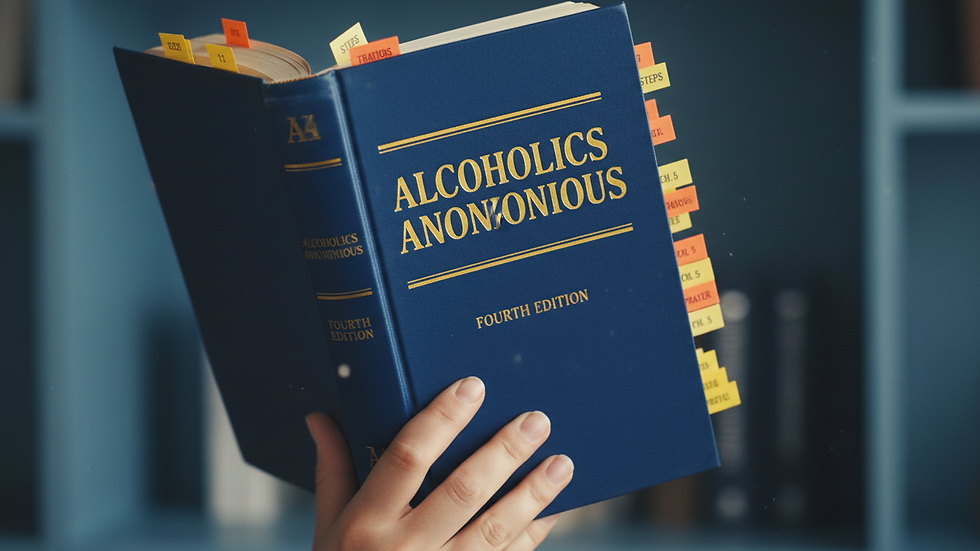
If you’re looking for tools to support your journey, consider resources like the AA Big Book with tabs and highlights that make working the Steps easier. These small aids can make a big difference in staying connected to the program and your community.
Remember, you’re never alone. The power of sober communities is real, and it’s waiting for you to step in and be part of it.


Comments