
Top Tools and Strategies for Sobriety - Your Sobriety Tools Guide
- Jun 9
- 4 min read
Starting out on this journey, I remember feeling like I was handed a map with no compass. The path to recovery can seem foggy and uncertain, but over time, I found tools and strategies that became my steady compass and reliable map. These aren’t just fancy ideas or quick fixes. They are the lifelines that keep us grounded, especially when the waves of temptation roll in. If you’re new or celebrating milestones like 30 days, 6 months, or even a year, this guide is for you. Let’s walk through some of the best tools and strategies that have helped me and countless others stay the course.
The Sobriety Tools Guide - What Really Works
When I first got sober, I thought willpower alone would do the trick. Spoiler alert - it doesn’t. What really helps is having a toolbox filled with practical, proven tools. Here’s what I’ve found essential:
A Solid Support System: Whether it’s a sponsor, a home group, or a trusted friend, having someone who understands the journey is priceless. They keep you honest and remind you why you started.
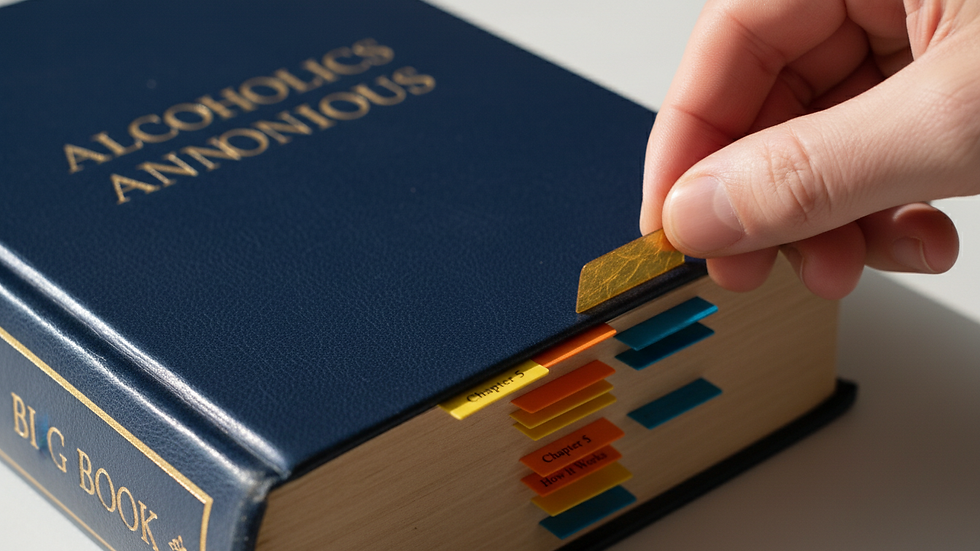
Daily Reading and Reflection: The Big Book and 12x12 are more than just books. They’re guides that speak directly to our struggles and victories. Highlighting and tabbing key passages makes it easier to find strength when you need it most.
Journaling: Writing down your thoughts, feelings, and progress helps you process emotions and track growth. It’s like having a conversation with yourself that keeps you accountable.
Routine and Structure: Building a daily routine that includes time for meetings, meditation, and self-care creates a rhythm that supports sobriety.
Healthy Habits: Exercise, good nutrition, and enough sleep are the unsung heroes of recovery. They keep your body and mind strong.
These tools aren’t just suggestions; they’re the foundation that keeps the house of recovery standing tall.

What is the true meaning of sobriety?
Sobriety isn’t just about not drinking or using. It’s about reclaiming your life and learning to live it on life’s terms. It’s the freedom to face your fears, your pain, and your joys without numbing them away. For me, sobriety means waking up every day with a clear mind and a willing heart. It’s about honesty - with myself and others. It’s about connection - to a higher power, to my community, and to my true self.
Sobriety is a journey, not a destination. It’s about progress, not perfection. When I remind myself of this, I can be gentle with my stumbles and celebrate my steps forward. It’s a daily choice to live authentically and courageously.
Practical Strategies That Keep Us on Track
Having tools is one thing, but knowing how to use them is another. Here are some strategies that have helped me and many others stay steady:
One Day at a Time
This isn’t just a slogan. It’s a lifeline. When the future feels overwhelming, focusing on today keeps the pressure manageable. I remind myself that I only need to stay sober for the next 24 hours.
Reach Out Before You Relapse
When cravings hit, I call my sponsor or a trusted friend. Talking it out helps me see the bigger picture and avoid acting on impulse.
Use the Tools in Your Toolbox
Feeling restless or irritable? I turn to my journal or read a passage from the Big Book. Feeling isolated? I go to a meeting or connect with my support network.
Celebrate Milestones
Whether it’s 30 days or 10 years, marking these moments reminds me of how far I’ve come. It fuels my motivation to keep going.
Practice Self-Compassion
Recovery isn’t linear. When I slip, I don’t beat myself up. Instead, I learn from it and recommit to my path.
Stay Physically Active
Movement helps clear my head and reduce stress. Even a short walk can reset my mood.
Set Boundaries
Saying no to people, places, or situations that trigger old habits is crucial. Protecting my sobriety means protecting my peace.
How to Build Your Own Sobriety Toolbox
Everyone’s journey is unique, so your toolbox should reflect what works best for you. Here’s how to start building it:
Identify Your Triggers
Write down situations, emotions, or people that make you want to drink or use. Awareness is the first step to managing them.
Choose Your Go-To Tools
Pick a few tools that resonate with you. Maybe it’s calling your sponsor, reading a prayer, or going for a run.
Practice Using Them Daily
The more you use your tools, the more natural they become. Make them part of your routine.
Add New Tools Over Time
As you grow, you might find new strategies that help. Stay open and flexible.
Keep Your Toolbox Accessible
Whether it’s a physical box, a journal, or a mental list, make sure your tools are easy to reach when you need them.
Staying Connected - The Heartbeat of Recovery
One thing I’ve learned is that isolation is the enemy of recovery. Staying connected to others who understand the journey is like having a lifeline in rough seas. Here’s how to keep that connection strong:
Attend Meetings Regularly
Meetings are a place to share, listen, and recharge. They remind you that you’re not alone.
Find a Sponsor and Be a Sponsor
The sponsor relationship is a two-way street. It gives you guidance and purpose.
Engage in Service Work
Helping others keeps you grounded and grateful.
Use Technology Wisely
When you can’t make it to a meeting, online groups and apps can fill the gap.
Celebrate Together
Share your milestones and support others in theirs. It builds a sense of family.
Recovery is a lifelong journey, and having the right tools and strategies makes all the difference. Remember, it’s okay to ask for help, to take it slow, and to be kind to yourself. The path may have bumps, but with a solid toolbox and a caring community, you can keep moving forward.
If you’re looking for a way to deepen your connection to the program, consider tools like the Sobriety tabs kit or a fully tabbed Big Book. These hand-crafted resources make it easier to find the words and wisdom you need, right when you need them.
Keep your head up and your heart open. You’ve got this.


Comments